One Coffee, Four Fermentations: The Difference Showed Up in the Mouth, Not the Aroma
7 sourcesAI-written, may contain mistakes.
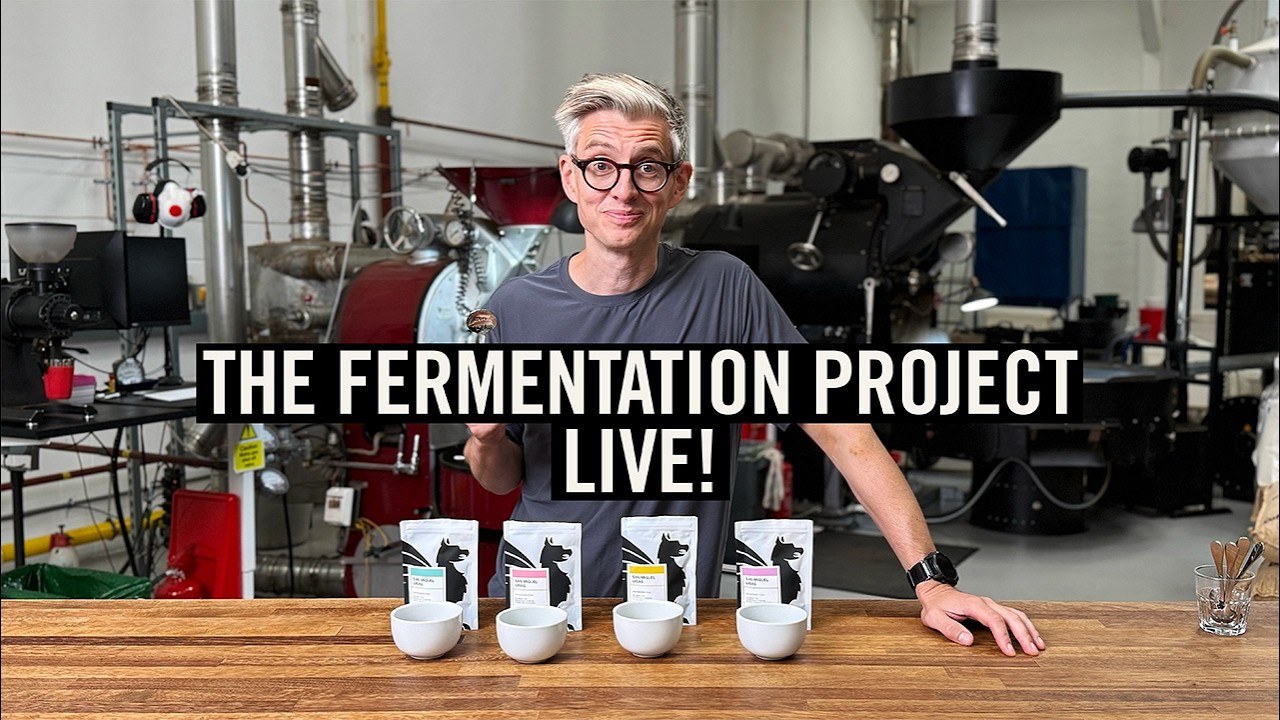
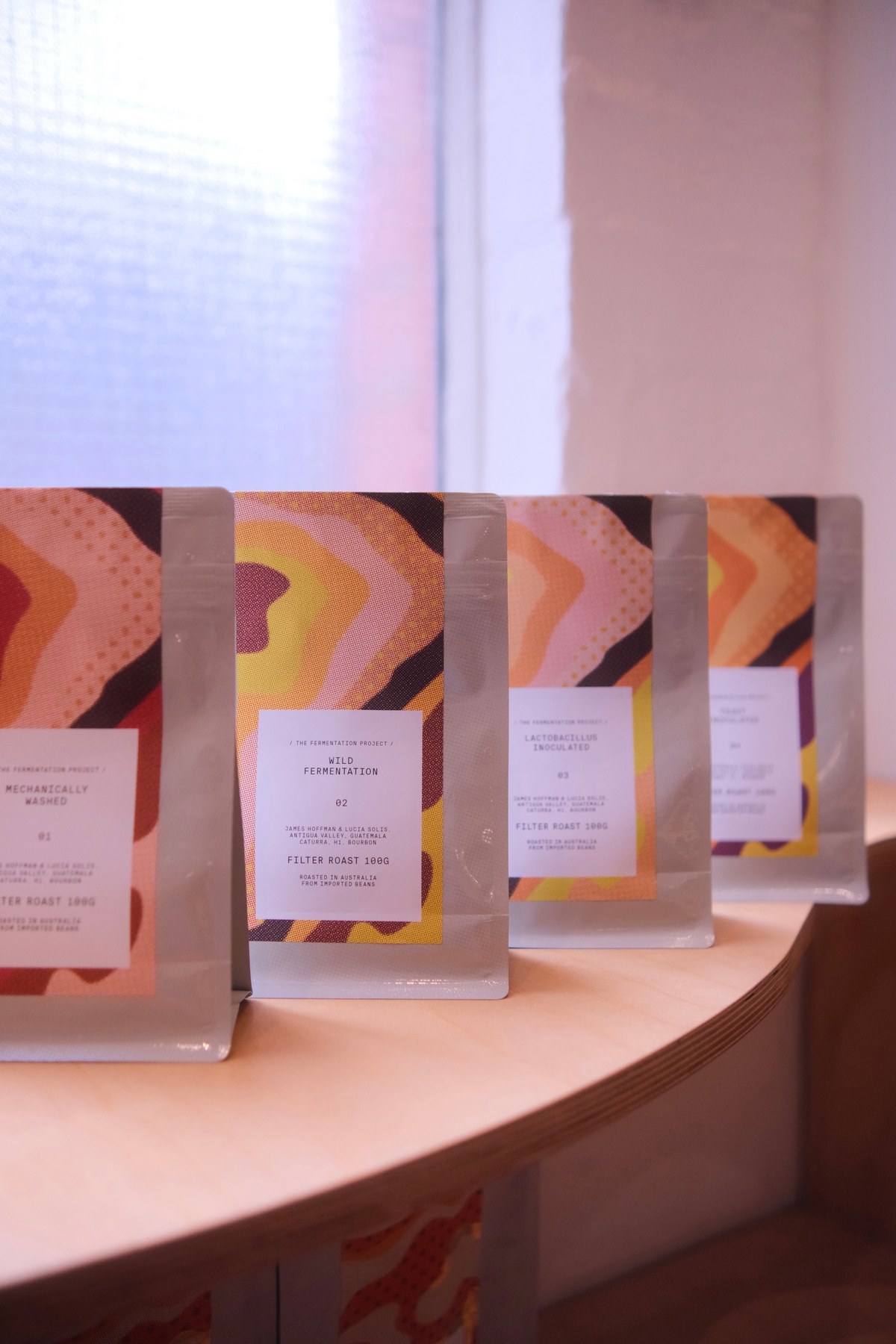
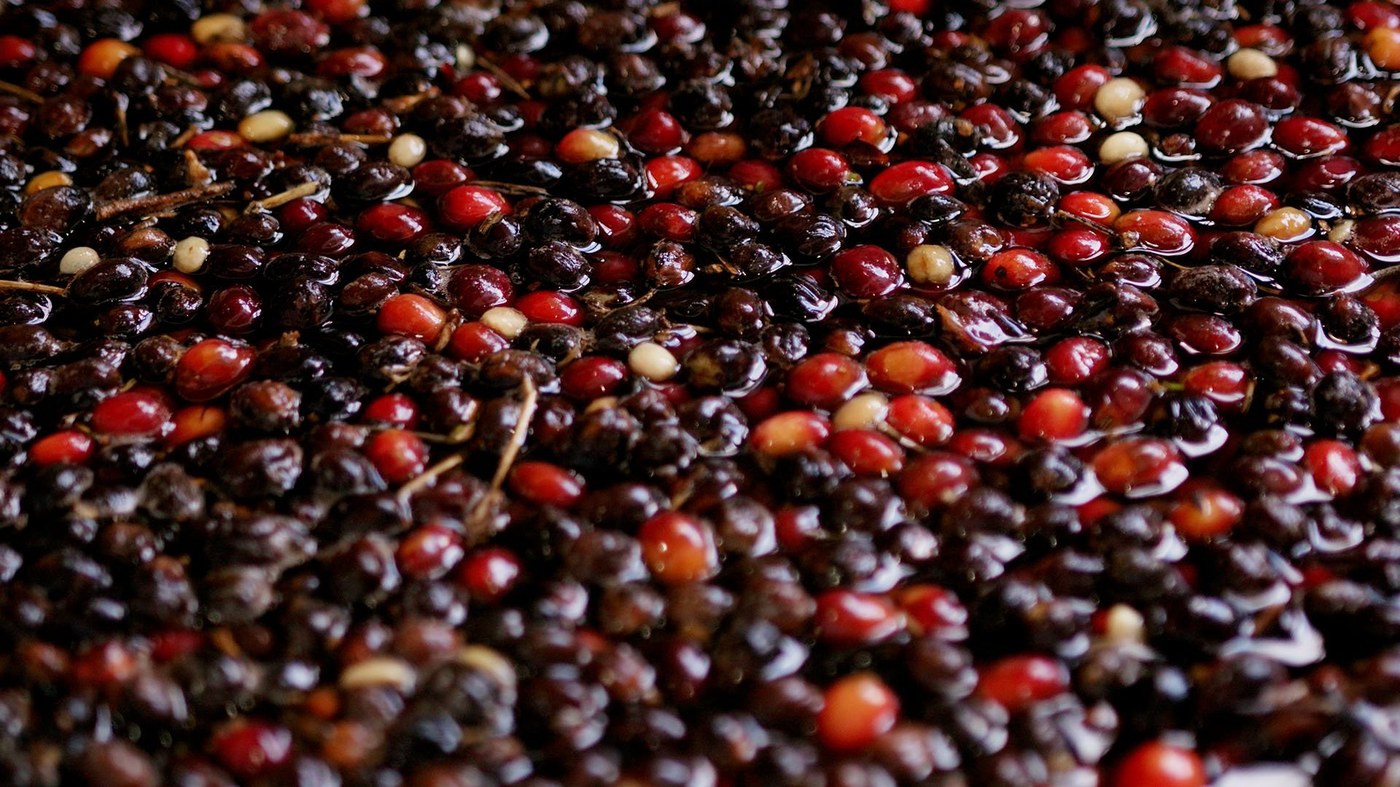


James Hoffmann's Fermentation Project sent one Antigua coffee through four processing routes — mechanically demucilaged, wild, Lactobacillus and yeast — and the differences showed up in acidity, sweetness and body rather than in aroma or flavour. A follow-up Q&A covers what the livestream did not: the missing funk, what each process costs, and whether fruit co-fermentation is fermentation at all.
Quotes
 Quotes
“you will experience the fermentation's impact not in aroma and flavor, but in taste in terms of, you know, the classic senses of acidity, sweetness, texture, body, those kind of things”
“So even if technically you're putting raw fruit in a tank, if you get pineapple in, pineapple out, to me that's an infusion.”
“it's really distorted what fermentation can do and its original purpose and then how the industry like coffee professionals are using it”
“fermentation breaks down sugar. So, the more you're fermenting, the less sugar that you have.”
“I don't want it to necessarily change your shopping habits, if that makes sense.”
Related beans
plot roasting
Fermentation Project: James Hoffman x Lucia Solis
400g · 42

19 grams Coffee
The Fermentation Project Kaffee Kit
120g · 29.9

94 Celcius
Fermentation Project James Hoffmann ft. 94 Celcius
400g · 59.95

Bell's Beans
The Fermentation Project by Lucia Solis & James Hoffmann
400g · 25

La Barba Coffee
The Fermentation Project Collection
300g · 32

Manhattan
The Fermentation Project Tasting Kit
200g · 27.25

Perky Blenders
The Fermentation Project x James Hoffmann
240g · 20

purpur Café & Kaffeerösterei
Fermentation Project 4x100g
400g · 32

Regalia Coffee Roasters
James Hoffmann Fermentation Project x Regalia
400g · 35

SOLO Brewing
The Fermentation Project Kit — 4 × 100 g Collector's Cans
400g · 49

Suedseite Coffee
The Fermentation Project · James Hoffmann × Lucia Solis · Guatemala
400g · 34.9

Zest Specialty Coffee Roasters
The Fermentation Project - 4 Pack Tasting Set
400g · 45
Facts
 Facts
One coffee, four processes — The Fermentation Project is a controlled comparison of a single coffee processed four ways. Finca San Miguel Urias in Antigua, Guatemala supplied a Caturra and H1 lot that Lucia Solis divided into a mechanically demucilaged control, a 48-hour wild fermentation, a Lactobacillus inoculation and a Saccharomyces inoculation (
project).
3,000 tasters, control lost — Around 3,000 of a possible 4,000 tasters scored the four cups live, and the control lost on every attribute: the mechanically demucilaged coffee scored as less acidic, less sweet and lighter in body, while the audience rated the three fermented coffees identically on sweetness — which Hoffmann did not (
 global tasting).
Sweetness without sugar — Fermentation consumes sugars that roasting would have destroyed anyway, so Solis explains the impression as coming from fruity notes and viscosity: a creamy, low-fruit cup reads as sweet because it has weight, not because it has sugar left (
Solis).Roast can outweigh fermentation — The project concedes that roast can outweigh fermentation: Hoffmann said a damaging roast can obscure or obliterate a nuance present in the green, while noting that 120 roasters each roasted their own kits and consumers still reported very consistent opinions (
tasting).10–15 cents a pound — Yeast runs 10 to 15 cents per pound of green coffee, Solis says, with shipping the culture sometimes two or three times that; she frames it as a cost to shift rather than add, since a 48-hour fermentation can cut water use and labour (
Q&A).
Voices
 Voices
Verdict · YouTube · James Hoffmann — Impact in the mouth, not aroma — His own summary after tasting was that fermentation's impact lands in acidity, sweetness and texture rather than flavour — which is why the four cups smelled almost alike and why the control read as thinner than the rest (
tasting).Claim · Q&A · Lucia Solis — Co-ferment is infusion — She calls fruit co-fermentation an infusion rather than a fermentation, and her test is whether microbes did any work: in a tank of pulped coffee and pineapple chunks the fruit's flavour molecules are absorbed by the seed without being metabolised — pineapple in, pineapple out (
Q&A).Claim · Maker · Hoffmann and Solis — Restraint was the point — The project's target was the loud end of fermentation marketing and its authors asked for restraint: Solis wanted to show ordinary fermentation rather than the loud version, Hoffmann told tasters not to change their shopping habits, and no preference question was asked at all (
tasting).