Stop Drinking Your Coffee at 60°C — It Gets Sweeter as It Cools
7 sources researched
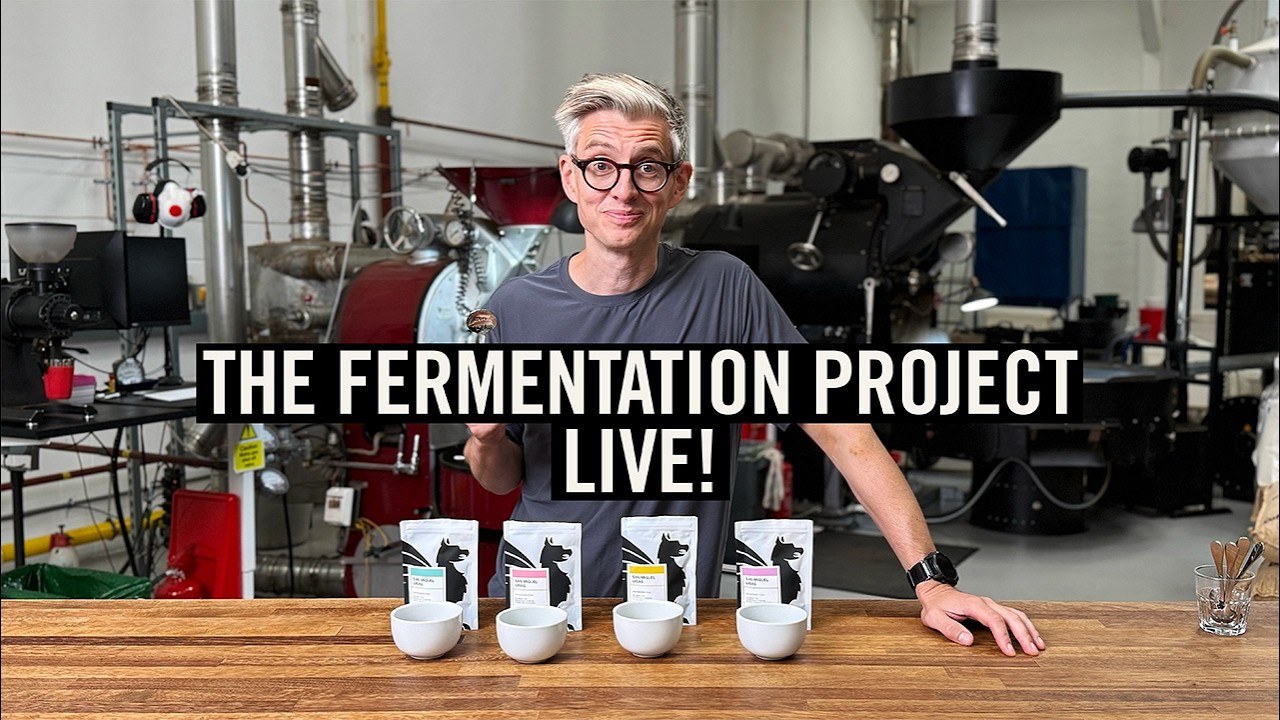
Brew coffee, smell it, sip it, and the fruit disappears. The usual suspects are grind and water; the variable that rarely gets checked is the temperature of the liquid in the cup. A 2017 Food Chemistry study served one Bourbon Caturra at six temperatures between 31°C and 62°C: sour, tobacco and sweet notes clustered at the cool end, roasted and bitter notes at the hot end. A 2019 study went further — across three coffees and four serving temperatures, 18 of 32 sensory attributes moved with temperature against 7 with variety, and temperature explained 63% of the variance to variety's 21%. Lance Hedrick's new video turns that into practice: brew cooler, drink cooler, and stop treating a 60°C cup as the target.
Quotes
 Quotes
“The flavour notes of 'sour', 'tobacco' and 'sweet' were mostly associated with the coffees served at 31-44°C, whereas coffees served between 50°C and 62°C exhibited stronger 'overall intensity', 'roasted' flavour and 'bitter' notes.”
“So, the lower it gets in temperature, the more adept we are at tasting and perceiving what's in that cup.”
“It is decent when hot-warm, but normally any coffees I brew are much better after cooling.”
“Very rarely is a coffee purely pleasant while hot, in my experience.”
“It usually does have more clarity and fruitier flavours, but I enjoy it less due to it being too cold.”
Facts
 Facts
Six temperatures, one coffee — Steen et al. served a Bourbon Caturra at six temperatures from 31°C to 62°C: sour, tobacco and sweet notes clustered at 31–44°C, while overall intensity, roasted flavour and bitterness were stronger between 50°C and 62°C, with volatile release rising above 40°C (
Food Chemistry).
Temperature beat variety almost 3:1 — Chapko and Seo served three coffees at 70, 55, 40 and 25°C: 18 of 32 sensory attributes differed significantly with serving temperature against 7 with variety, and temperature accounted for 63.28% of the variance to variety's 21.24% (
Hotter brewing pulls the roast family — Sánchez López, Wellinger et al. brewed espresso at 82, 92 and 96°C and tracked 46 volatile compounds in five kinetic families: the easy early families stayed constant, while the slower families rose sharply at 92 and 96°C, which Hedrick reads as the nutty, roasty notes arriving at the expense of florals (
Int. J. Mass Spectrometry).
Surface, not ice, does the work — extract chilling claims up to 40% more retained volatiles, but follow-up work found room-temperature spheres performing as well as frozen ones, pointing to the thin film and surface area shedding heat rather than the temperature of the ball (
Perfect Daily Grind).
Voices
 Voices
Verdict · YouTube · Lance Hedrick — The cup is the blind spot — Hedrick argues the temperature you drink at is the most neglected variable in the chain: most people serve near 60°C, where bitterness is at its most intense and the tongue is least able to read the cup (
 video).
Advice · YouTube · Lance Hedrick — Brew cooler, then let it fall — his home protocol is a cool 80–82°C brew for even a light Ethiopian, a fast 1:15.5 brew finished around 1:33, a bed kept wet, no swirling, a gentle stir, and a small tulip cup filled a little at a time (
video).Reaction · Reddit · r/pourover — Better after it cools — the thread's author says his brews carry a harsh edge while hot-warm and become smoother, sweeter and fruitier as they cool, and the top reply agrees that bitterness and astringency fall away once the cup is merely warm (
 thread).
Objection · Reddit · r/pourover — Cold has a cost — a reply concedes the extra clarity and fruit at room temperature but says the cup is less enjoyable because it is too cold, which is the trade-off any serving-temperature advice has to answer (
comment).
AI-written from public sources and may contain errors. Check the sources yourself.