A Month With the COLBRO Moka Pot: The Valve Sets the Flow, the Second Boiler Adds Little
5 sourcesAI-written, may contain mistakes.

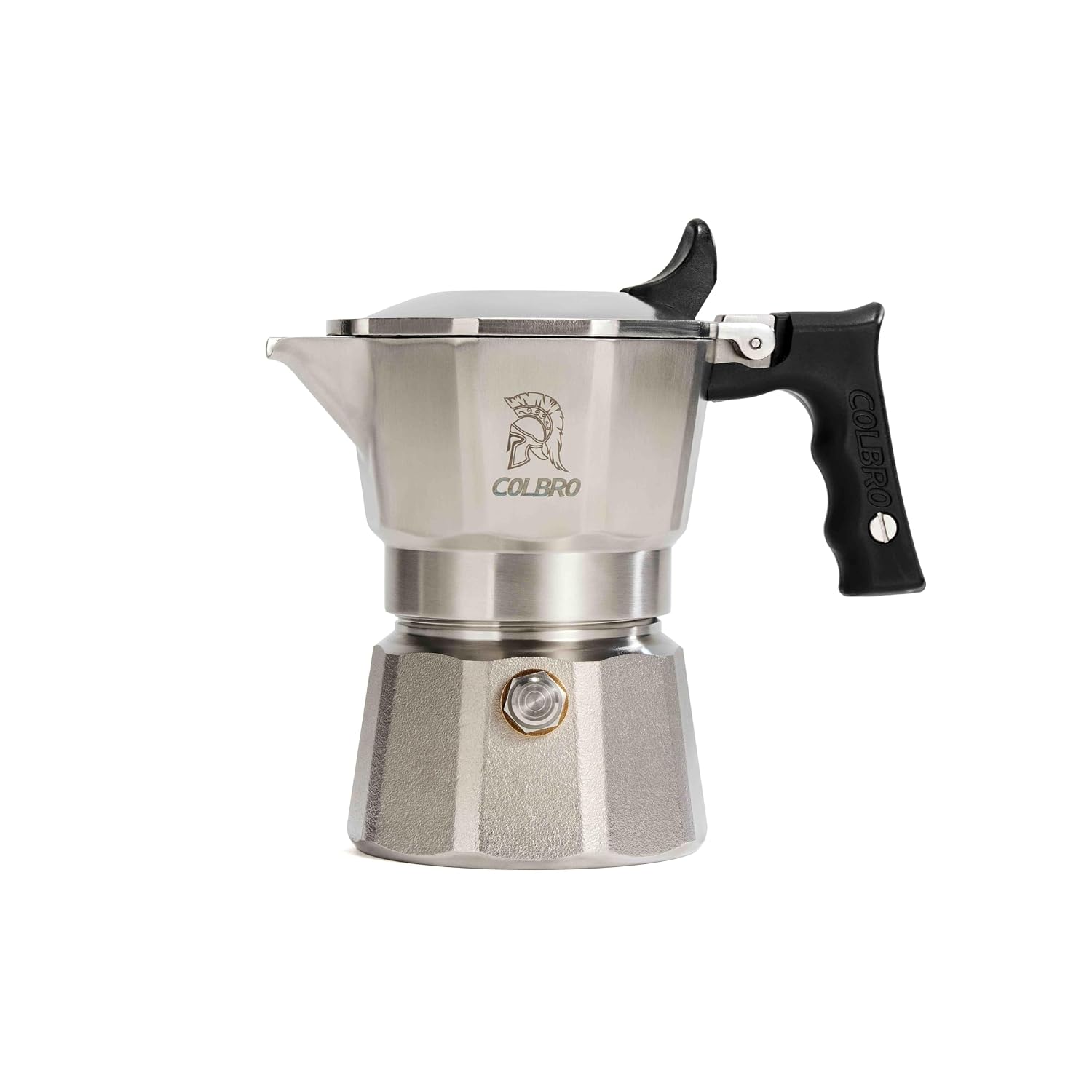
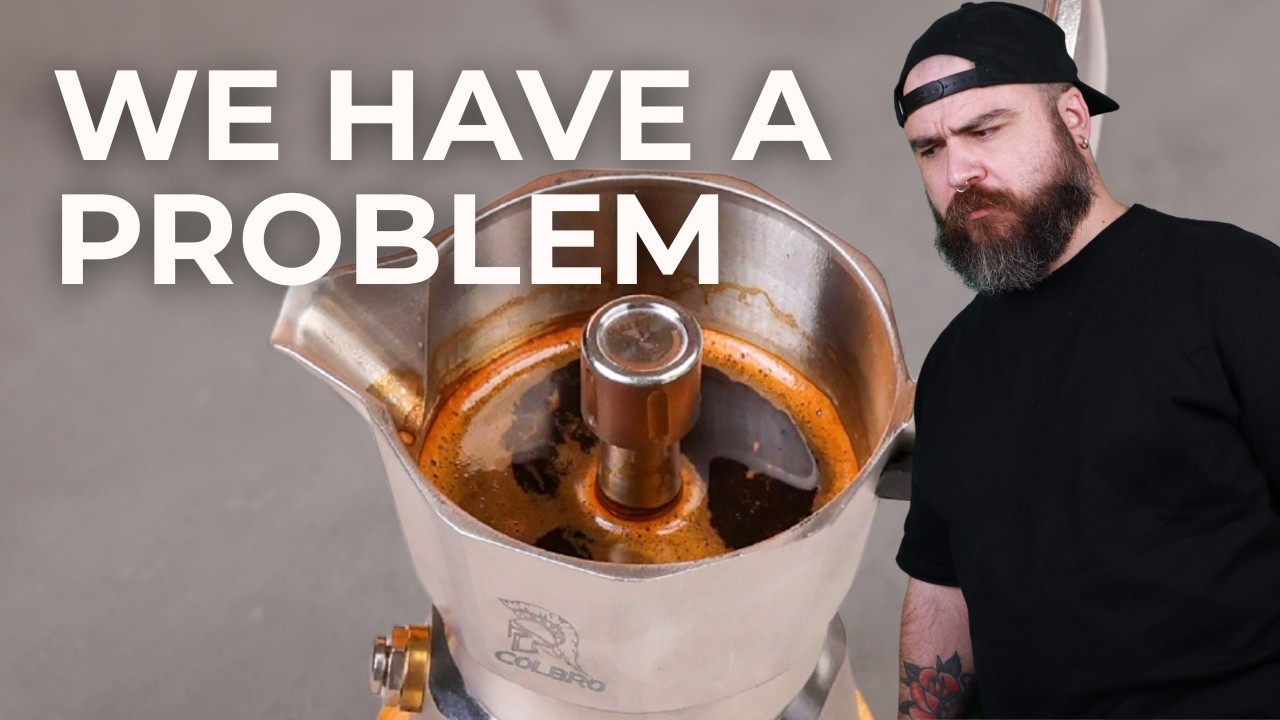
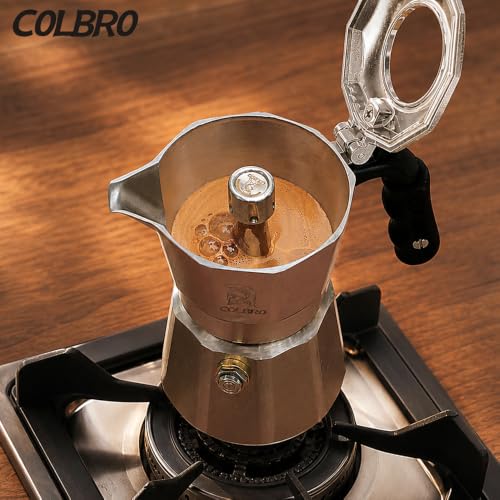
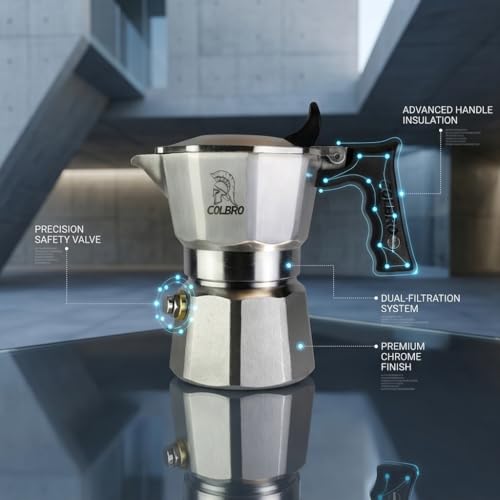
COLBRO's stainless moka pot adds two ideas to the stovetop standard: a second boiler inside the base and a spring valve that opens at about 4.5 bar. After a month and four recipes from the manual, the reviewer found the valve, not the grind, setting the flow — and the second boiler mostly costing time.
Quotes
 Quotes
“You pay for the material cost. You don't pay for the technology here.”
“grind size doesn't dictate the flow in this pot like it does in classic moka pot models.”
“It tells me, “Do this, and you will get coffee out in 3 minutes.” That's never happened.”
“I've had a totally different experience of the Colbro as compared to you though....it might be attributed to me using the electric ceramic stove that Colbro sells, instead of an open flame o”
Facts
 Facts
Three valves, two boilers — The COLBRO Moka Pot is a 316 stainless-steel stovetop pot built around three valves and a second boiler inside its base. COLBRO, of Nantong in China, markets 4-bar-plus pressure and crema-like foam; it lists at $159.99 on
Amazon, and the reviewer paid €120 for his (
COLBRO).
Coarser grind balanced the cup — Grinding coarser — 25 clicks on a Comandante — hardly changed when coffee first appeared, because the spring valve has to be pushed open by pressure, but it balanced the cup and cut the sediment left by finer settings. The valve, not the grind, sets the flow (
 review).
Second boiler adds least — A month of testing made the dual boiler the least productive part of the design. With 20 ml in the base and 90 ml in the inner chamber, coffee took about nine minutes to appear, the promised 4.5 bar never showed on the gauge, and the cup was weaker than the single-boiler method (
review).
More notes
Voice · Verdict · YouTube ·
Matteo D'Ottavio — Material, not technology — His verdict is that the price buys material rather than technology, and the accessories did not change it: the pressure-boosting ram made no difference in either setup, and the manual's three-minute brew never happened (his fastest was 4:30 with pre-heated water).Voice · Claim · YouTube ·
@IzyXF — Chamber is a temperature fix — An owner explains the inner chamber as a temperature fix rather than a pressure one: he reports no residue at all and says the chamber exists to lower brew temperature — tipping the pot spills chamber water into the outer boiler, which runs hotter and over-extracts — something the manual never states.